
A Step-By-Step Guide To How The Eviction Process Works In California
If you are a California tenant who just received a notice from your landlord, there is one thing you need to do before anything else: understand the timeline ahead of you. Knowing how the eviction process works in California gives you the single most powerful advantage a tenant can have. It tells you exactly where you stand, what comes next, and how much time you actually have.
The process is not one event. It is a series of legal steps, each with its own deadline and each offering you a real opportunity to respond. In this guide, you will learn how the process begins with a written notice, how it moves into a formal court filing, what a court hearing looks like, what happens after a judgment, and how responding on time can significantly change your outcome.
It All Starts With a Written Notice
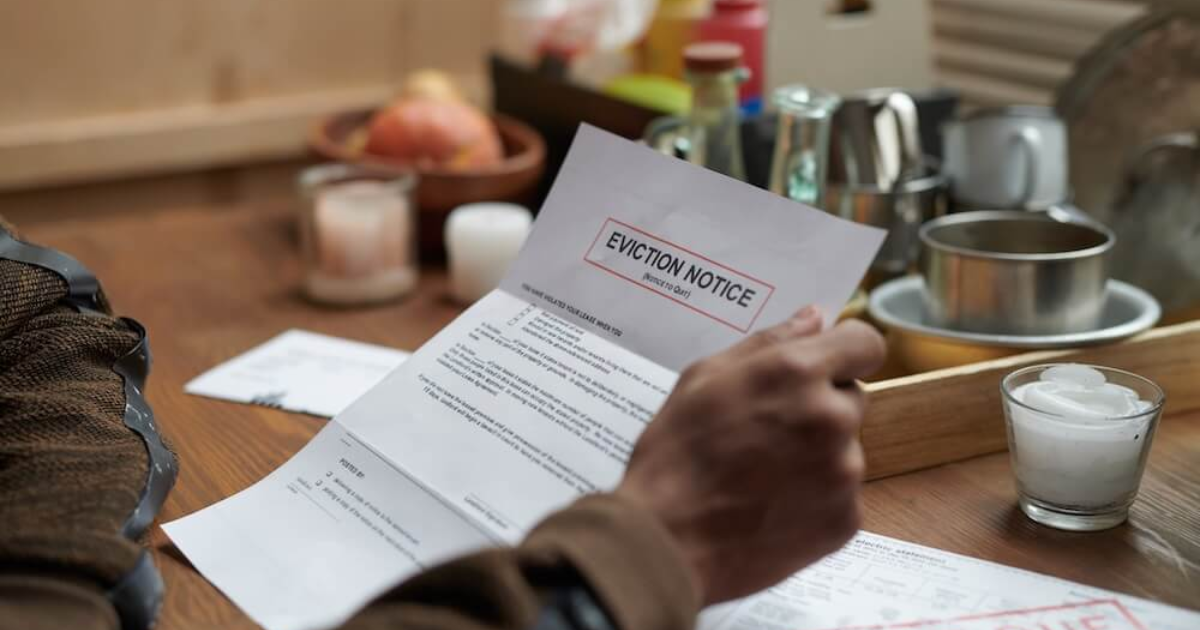
Before your landlord can take any court action, California law requires them to serve you with a written notice. The type of notice depends on the reason for the eviction. Unpaid rent triggers a 3-Day Notice to Pay or Quit. A lease violation calls for a 3-Day Notice to Perform or Quit. A no-fault termination may require a 30 or 60-Day Notice to Vacate, depending on how long you have lived in the unit. These notices are not yet court documents, but they are the required first step before the eviction process moves into the courts.
The Unlawful Detainer Lawsuit Is Filed
If you do not comply with the written notice, your landlord can file an Unlawful Detainer lawsuit with the California Superior Court. This is the formal legal name for the court eviction case in California. Once the lawsuit is filed and you are served with the summons, you have just five calendar days to file a written response. This deadline is the most critical in the entire process. Missing it means the court enters a default judgment against you without ever hearing your side.
A Court Hearing Is Scheduled
When you file a timely written response to the Unlawful Detainer summons, the court must schedule a hearing. Both parties appear before a judge, and you have the opportunity to raise legal defenses. These can include improper notice, habitability violations, or retaliation for requesting repairs. The hearing is typically set within twenty days of your response being filed, which is why acting fast matters so much.
What Happens After a Judgment
If the judge rules in the landlord’s favor, a Judgment of Possession is issued. The landlord then obtains a Writ of Execution and delivers it to the local sheriff. The sheriff posts a five-day Notice to Vacate on your door. If you do not vacate within those five days, the sheriff carries out the physical lockout. This is the final stage of how the eviction process works in California, and it moves quickly once a judgment is entered.
How Responding Changes Your Entire Timeline
Here is the part that surprises most tenants. An uncontested eviction where no response is filed can result in a lockout in as little as two to three weeks from the date the summons is served. A contested eviction where the tenant files a timely, accurate response typically takes four to eight weeks. That difference of several additional weeks is the direct result of participating in the process. Most tenants who respond gain up to two months of time from the date of the summons.
Know the Process. Then Take Action.
Now that you understand how the eviction process works in California, the next step is to act before your five-day response window closes. Every stage of this process rewards action and punishes inaction.
Stop Eviction Consultants has been helping California tenants prepare and file accurate responses to Unlawful Detainer lawsuits for over 30 years. Reach out to us today for a free consultation and make sure your response is on file before the deadline passes.