
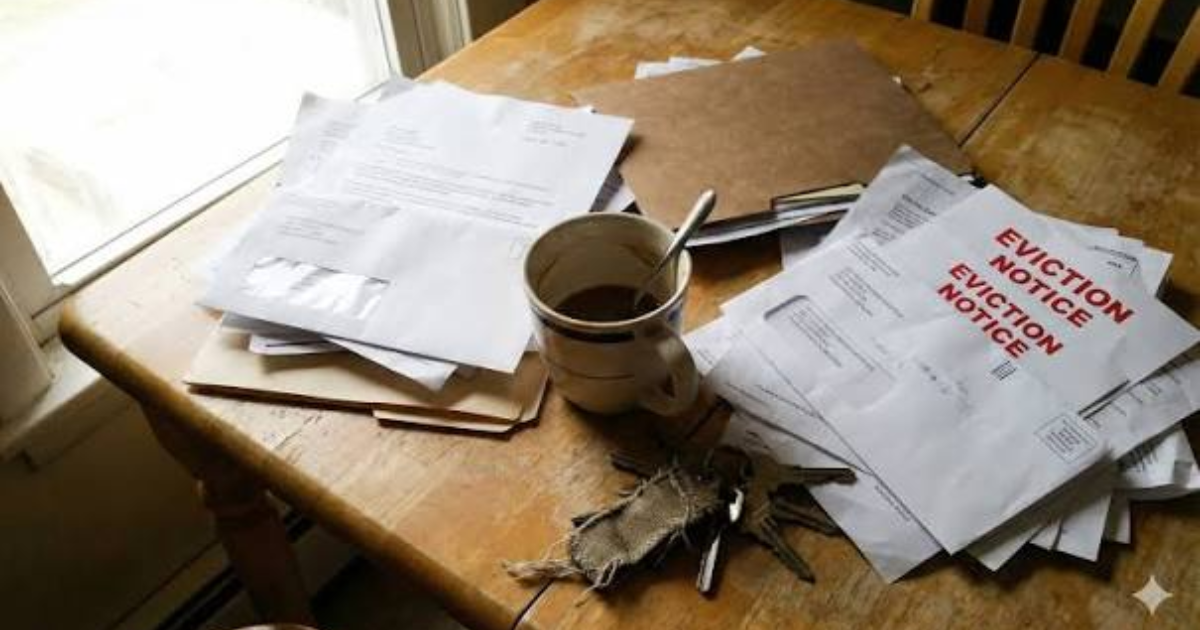
Emergency eviction situations move fast. A court summons arrives, panic sets in, and the decisions you make in the next few hours can either protect your position or destroy it completely. The difference between a tenant who gains valuable time and one who loses the case before it even begins almost always comes down to a handful of avoidable mistakes. Avoiding common mistakes during emergency evictions is not just good advice. It is what keeps your options open when everything feels out of control.
The difficult reality is that most tenants make these mistakes not out of carelessness, but out of fear and confusion. They do not know what the rules are, so they guess wrong. This guide changes that. You will learn the most common errors California tenants make when facing emergency evictions, exactly why each one hurts them, and what you should do instead so that you protect every legal right you are entitled to.
Mistake One: Doing Nothing and Waiting to See What Happens
The most damaging mistake in any emergency eviction situation is inaction. When you receive an Unlawful Detainer summons, you have five calendar days to file a written response with the California court. If you do nothing, the landlord requests a default judgment, and the court grants it automatically. You lose the case before it is ever heard. Avoiding common mistakes during emergency evictions starts with understanding that waiting is never a neutral choice. It is a decision to lose.
Mistake Two: Assuming a Verbal Agreement Protects You
Some tenants receive an eviction notice and then make a verbal agreement with their landlord to pay by a certain date or to vacate on a specific schedule. They assume this agreement pauses or cancels the court process. It does not. Unless your landlord formally withdraws the Unlawful Detainer lawsuit or provides written confirmation of the agreement, the court case continues, and your deadline still applies. Always get any agreement in writing before relying on it.
Mistake Three: Filing an Incomplete or Incorrect Response
California courts have specific requirements for how an Unlawful Detainer response must be completed and submitted. The wrong form, missing information, or filing in the wrong court can result in your response being rejected entirely. A rejected response is the same as no response in the eyes of the court. This is one of the most significant reasons why getting professional help with your paperwork is so important during emergency evictions.
Mistake Four: Believing Promises of Extended Delays
Some services promise tenants that they can delay an eviction for six months, a year, or even longer. This is simply not accurate under California law. Avoiding common mistakes during emergency evictions includes being realistic about what the legal process can achieve. Once the Unlawful Detainer summons is served, a properly filed response can delay the eviction process by up to two months. That is the realistic maximum. Any promise beyond that should be treated with serious skepticism.
Mistake Five: Attempting a Self-Negotiated Lockout Delay
Some tenants try to delay the lockout by negotiating directly with the sheriff or property manager after a judgment has been entered. This rarely works and often causes more problems. The sheriff is executing a court order. If you need additional time after a judgment, there are legal mechanisms, such as a hardship stay of execution, that can be filed with the court. That is the correct approach. Attempting informal negotiations at this stage wastes time you cannot afford to lose.
Mistake Six: Not Gathering Documentation Before the Consultation
Many tenants arrive at an eviction consultation without the documents their consultant needs to assess the situation. No lease agreement, no copies of notices received, no payment records, no communication history. Without these, it is impossible to identify whether any legal defenses apply. In emergency evictions, information is leverage. Bring everything you have, including documents you think may not be relevant.
Stop Making These Mistakes. Start Making the Right Moves.
Avoiding common mistakes during emergency evictions begins with knowing what they are. Now you do. The next step is to act before your deadline passes.
Stop Eviction Consultants helps California tenants respond accurately and on time during emergency evictions. Contact us today for a free consultation and make sure your response protects every right you have.