Your deadline
A 3-day notice to pay rent or quit gives you three days to pay the rent demanded or give up possession. Saturdays, Sundays, and judicial holidays are not counted in those three days. When the period ends, the landlord may file an unlawful detainer, but nothing happens automatically. Call (951) 702-7771 before the third day and read us the notice.
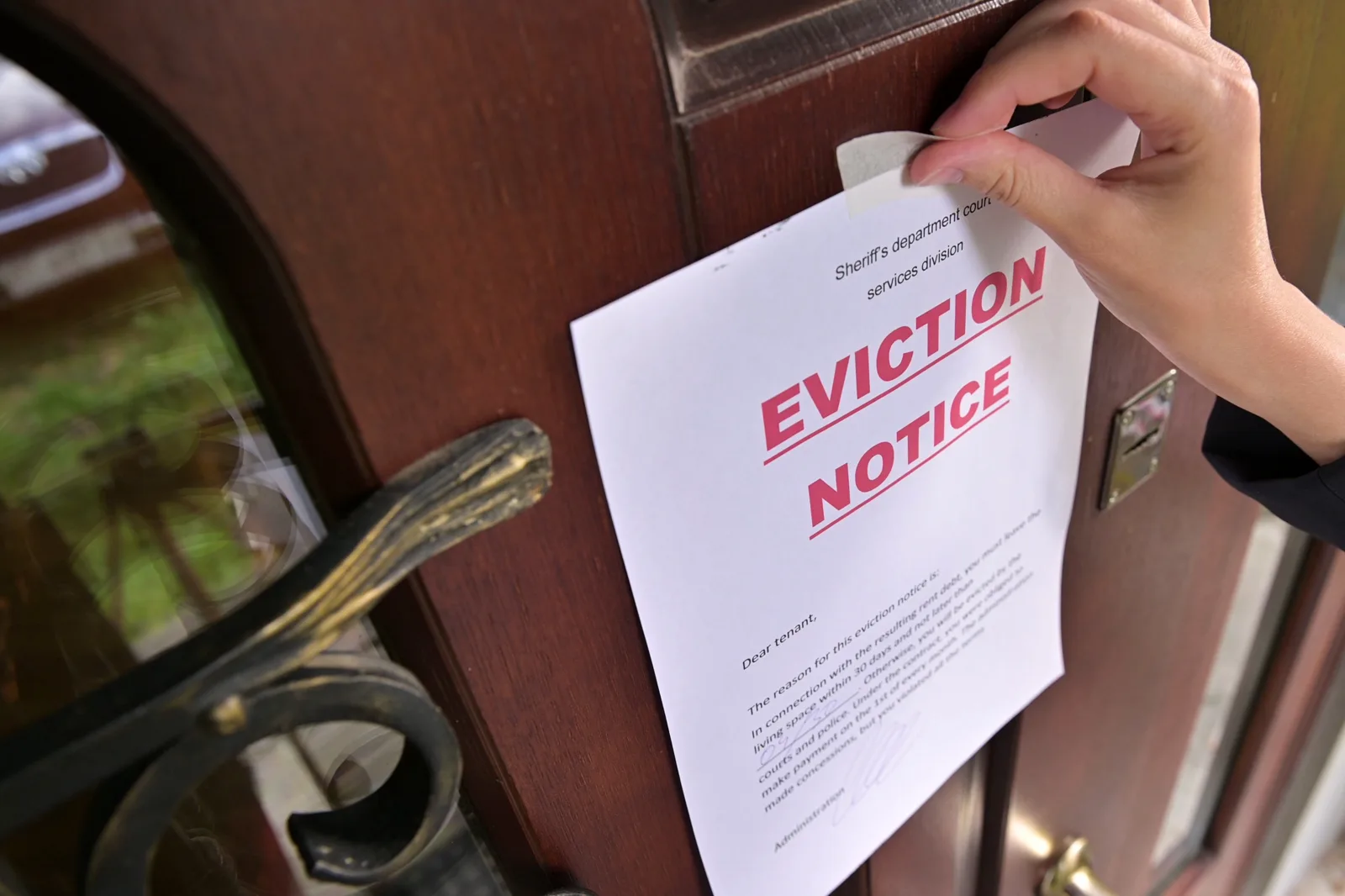
A 3-day notice to pay rent or quit is the document that starts most California evictions. It is also the document most often prepared incorrectly, which is why it deserves a careful reading rather than a panicked one. Understanding what a 3-day notice to pay rent or quit actually is, and what it is not, changes what you should do in the next seventy-two hours.
What a 3-day eviction notice is in California
It is a written demand from your landlord, delivered to you, giving you a choice: pay the rent stated in the notice, or surrender possession of the property. That is all. It is not a court order, no judge has seen it, and it does not by itself give anyone the right to change your locks, shut off your utilities, or remove your belongings. Those are unlawful in California no matter what a notice says.
What the notice does is start a clock the landlord has to run out before filing an unlawful detainer lawsuit. Without a valid notice, properly served, that lawsuit has no foundation.
What a valid notice generally has to contain
California law is specific about these notices, and courts read them strictly. A notice to pay rent or quit generally must:
- Identify the property clearly enough that there is no confusion about which unit is meant.
- Name the tenants who are being addressed.
- State the amount of rent actually due. This is the part landlords get wrong most often.
- Give the landlord’s or agent’s name, address, and telephone number, so you know who to pay.
- State how payment may be made, and if payment is to be made in person, the days and hours somebody will be available to receive it. If payment is by deposit to a bank account, the account information generally must be given.
- State the three-day alternative, that you may pay the amount due or surrender possession.
- Be served properly, by personal delivery, by leaving it with a suitable person and mailing a copy, or by posting and mailing when the other methods cannot reasonably be accomplished.
The three days themselves do not count Saturdays, Sundays, or judicial holidays. A notice handed to you on a Thursday afternoon does not run out over the weekend.
The defects worth looking for
Reading a notice with a critical eye takes ten minutes and can change the entire case. These are the recurring problems:
Wrong amount. Overstated rent, rent from months already paid, or rent for a period the landlord is not entitled to demand.
Non-rent charges bundled in. Late fees, utilities, parking, pet fees, repair costs, NSF charges, and damages are not rent. A demand that mixes them into the rent figure can be defective.
Rent beyond the period the law allows to be demanded in this kind of notice. A notice reaching far back can be problematic.
No payment instructions. A notice that does not tell you who to pay, where, and when, denies you the ability to actually cure, which is the entire point of the three days.
Improper service. Posting on the door without also mailing, or leaving it with someone who is not a suitable person, are both common.
Miscounted days. A notice that expires on a Sunday, or that counts weekends, was not counted the way California requires.
Wrong parties. A notice addressed to people who are not the tenants, or that leaves out an actual tenant.
None of these defects means you owe nothing. What they mean is that this particular notice may not support the case the landlord wants to build on it, which changes your leverage entirely.
Your realistic options during the three days
Pay the full amount demanded. If the amount is correct and you can pay it, paying within the period generally ends the matter for that notice. Pay in a traceable way and keep every receipt, message, and bank record. If your landlord refuses to accept payment, document the refusal in writing immediately.
Pay part of it. A partial payment does not by itself satisfy the notice, but a landlord who accepts a partial payment may create complications for their own case. Do not do this blind. Get advice first.
Negotiate. Landlords file unlawful detainers because they want either money or the unit. Many will accept a written payment arrangement rather than take on the cost and delay of a lawsuit. Get any arrangement in writing.
Do nothing yet, but prepare. If the notice is defective or the rent is not owed, you may be better positioned defending the case than paying a demand that was not valid. That is a judgment call that depends on the specific document.
What is not an option is ignoring it and hoping. If the landlord files, you will be served with a summons and a complaint, and at that point a much harder deadline begins. See our guide on how to respond to an unlawful detainer for what happens next.
After the three days
When the notice period ends and the rent has not been paid, the landlord may file an unlawful detainer. You are not required to move out on day four. No lockout can occur without a judgment, a writ of possession, and the sheriff. Our guide on how long an eviction takes in California lays out the full sequence and roughly how long each stage runs.
If your notice is a 30-day or 60-day notice rather than a 3-day, the rules are different in almost every respect. Read 30-day and 60-day notices in California instead.
3-day notice help: have us read it
We have reviewed thousands of California notices over thirty years and we can usually tell you in a single phone call whether yours is sound, what it is really demanding, and what your best move is while you still have days rather than hours. We serve tenants across seven counties, including San Bernardino County.
Call (951) 702-7771. The phones are answered 24/7 and the consultation is free.
Frequently asked questions
What is a 3-day notice to pay rent or quit?
It is a written demand from your landlord giving you three days to either pay the rent stated in the notice or move out. It is the first formal step in most California rent-based evictions. It is not a court order and it is not an eviction. It is the document a landlord must serve correctly before an unlawful detainer case can be filed.
Do weekends count in the three days?
No. California law does not count Saturdays, Sundays, or judicial holidays in the three-day period for a notice to pay rent or quit. A notice served on a Thursday therefore does not expire on Sunday. Miscounting the period is one of the most common defects in these notices.
What has to be in the notice for it to be valid?
Generally it must identify the property and the tenants, state the amount of rent actually due, give the name, address, and telephone number of the person to whom the rent is to be paid along with acceptable payment methods and hours, state the three-day alternative of paying or surrendering possession, and be served in one of the ways the law allows.
What if the amount demanded is wrong?
Overstating the amount is a well known defect. So is including charges that are not rent, such as late fees, utility charges, damages, or other add-ons, in a demand for rent. A notice that demands more than is actually owed as rent may not support an unlawful detainer case built on it.
What happens if I pay the full amount within the three days?
If you pay the full amount demanded within the notice period, the notice is generally satisfied and the landlord should not proceed on it. Pay in a way that leaves proof: keep receipts, screenshots, bank records, and dates. If the landlord refuses the payment, document the refusal, because a refused tender is a defense.
What happens after the three days if I do not pay?
Nothing happens automatically. The landlord may file an unlawful detainer lawsuit and have you served with a summons and complaint. That is when your response deadline starts, and it is generally 10 court days (weekends and court holidays do not count). You are not required to move out when the notice expires, and no lockout can happen without a judgment and a sheriff.
Quick answers
What should I do if I receive a 3-Day Notice to Pay Rent or Quit?
A 3-Day Notice is the formal starting point of the eviction process in California, but it is not an immediate eviction. Many 3-Day Notices contain technical legal errors regarding legal rent amounts, notice periods, or required statutory language that can invalidate a landlord's lawsuit. Stop Eviction Consultants reviews your notice for defects and helps prepare your response strategy before a court case is filed. Contact our team at (951) 702-7771 for a consultation.
This website provides general information about the California eviction process and is not legal advice.