Your deadline
A 30-day or 60-day notice gives you longer than a 3-day notice, and that time is the most useful thing you have. Use the first week of it to check whether the notice is valid rather than the last week packing. If an unlawful detainer follows, you will have only 10 court days (weekends and court holidays do not count) to respond. Call (951) 702-7771 and read us the notice.
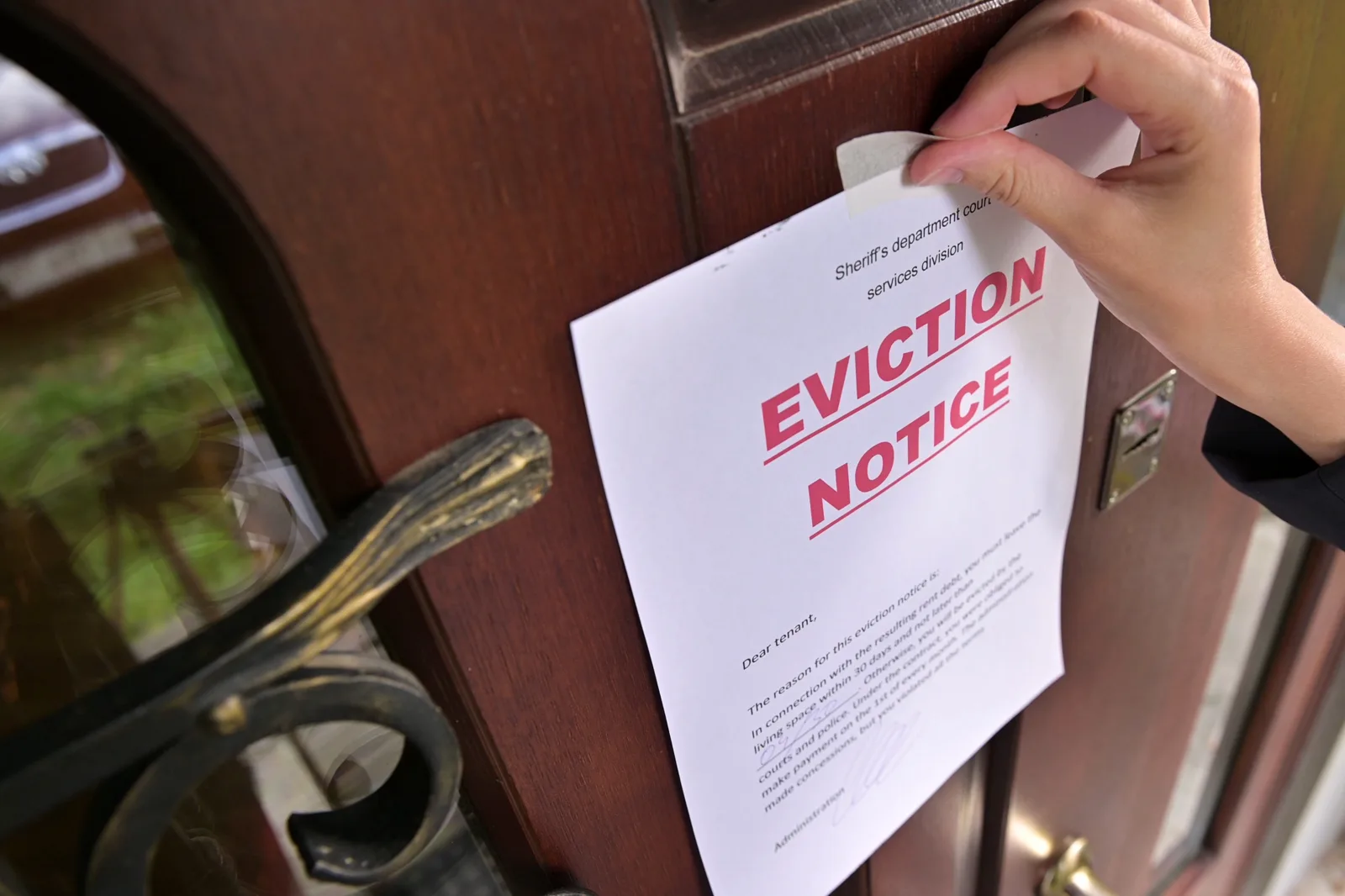
30-day and 60-day notices in California are how a landlord ends a periodic tenancy such as a month-to-month. They are not about unpaid rent and they are not about anything you did wrong. That is exactly why they are worth reading closely, because a notice that ends a tenancy without alleging fault has to satisfy several requirements that landlords frequently overlook.
You also, importantly, have time. Thirty or sixty days is a completely different situation from three days, and how you spend the first week of it usually determines the outcome.
Which period applies to you
The general rule for month-to-month tenancies is straightforward. If all of the tenants have lived in the unit for a year or more, the landlord generally has to give 60 days’ written notice. If the tenancy has been shorter than a year, 30 days is generally sufficient. There are exceptions, and some cities require longer periods or additional steps.
So the first thing to check is simple arithmetic: does the notice period match how long you have actually lived there? A 30-day notice served on a household that has been in place for three years does not.
Whether a reason is required
This is where California has changed substantially in recent years.
Under the statewide tenant protection law, many landlords must state a just cause to end a tenancy once the tenant has been in the unit long enough to be covered. Just causes fall into two families. At-fault causes are about the tenant: nonpayment, a lease breach, nuisance, criminal activity, refusal to allow lawful entry, and similar grounds. No-fault causes are not about the tenant at all: the owner or a qualifying family member moving in, withdrawing the unit from the rental market, complying with a government order, or performing a substantial remodel.
Not every property is covered. Certain single-family homes and condominiums with a separate owner, newer construction, owner-occupied situations, and some other categories are exempt. Where a landlord claims an exemption, they are generally required to give the tenant written notice of that exemption, and a landlord who never gave that notice may have trouble relying on the exemption later.
Many California cities also have their own just cause ordinances that predate the state law and sometimes reach further, covering more properties or requiring more. If your city has one, it matters more than the state default.
Relocation assistance in no-fault cases
Where just cause rules apply and the reason given is a no-fault reason, the landlord is generally required to help with relocation, commonly either a direct payment or a waiver of the final month’s rent. The amount, the timing, and the method are specified, and a no-fault notice that omits the required assistance or the required statement about it may be defective.
If your notice says the owner is moving in, or the building is being remodeled, or the unit is being taken off the market, look for what it says about relocation assistance. Its absence is meaningful.
What to check on the notice itself
- The period. Does 30 or 60 days match your length of occupancy, and is the stated end date actually that many days out?
- The stated reason, if one is required, and whether it is specific enough to be evaluated.
- The relocation assistance statement in a no-fault case.
- Who signed it. An agent signing has to have authority.
- The property and the tenants, described correctly.
- How it was delivered. Personal delivery, substituted service with a mailed copy, or posting and mailing, with the method affecting the count.
- Any local ordinance requirements, such as filing a copy with a city rent board, registration numbers, or specific required language.
What happens if you stay past the date
Nothing automatic. A notice is a demand from your landlord and not an order from a court. If you remain after the notice expires, the landlord’s next step is to file an unlawful detainer and have you served with a summons and complaint. At that point your deadline compresses dramatically, to generally 10 court days (weekends and court holidays do not count), and our guide on how to respond to an unlawful detainer covers what has to be filed.
Keep paying rent for the time you remain. A termination notice does not suspend rent, and falling behind hands the landlord a faster and simpler case under a 3-day notice to pay rent or quit.
Using the time well
With 30 or 60 days you have real choices, and they are worth taking deliberately rather than by default:
Verify the notice in the first week. If it is defective, you know that before you have signed a lease somewhere else.
Negotiate. A landlord who wants the unit on a schedule often has room to move on the date, the deposit, the final month, or a neutral reference. Written agreements at this stage are common and reasonable.
Prepare either way. If you decide to defend, start gathering your lease, your rent records, your communications with the landlord, and anything about the unit’s condition. If you decide to move, use the notice period to move on your terms rather than under a sheriff’s schedule.
Eviction notice assistance: have us read your notice
We review 30-day and 60-day notices every day and we can usually tell you within one phone call whether yours holds up and what it means for you. We serve tenants in seven California counties, including Sacramento County.
Call (951) 702-7771, day or night. The consultation is free.
Frequently asked questions
When is it 30 days and when is it 60 days?
For a month-to-month tenancy, the general rule is that a landlord must give 60 days' notice where all tenants have lived in the unit for a year or more, and 30 days where the tenancy has been shorter than a year. There are exceptions, and local ordinances in some cities require more. The notice you were given should match your actual length of occupancy.
Does my landlord have to give a reason?
Often, yes. California's statewide tenant protection law requires many landlords to state a just cause for ending a tenancy once a tenant has lived in the unit long enough, and many cities have their own just cause ordinances that apply more broadly. Some properties are exempt, and exempt landlords are generally required to say so in writing.
What is a no-fault eviction?
A no-fault reason is one that is not about anything the tenant did: the owner or a family member moving in, withdrawal of the unit from the rental market, a government order, or a substantial remodel. Where just cause rules apply, no-fault terminations commonly require the landlord to provide relocation assistance or a rent waiver.
Do I have to move out on the date in the notice?
No. A notice is a demand, not a court order. If you do not move, the landlord's next step is to file an unlawful detainer and have you served. Only a judge can order you removed and only the sheriff can carry out a lockout.
Do I still have to pay rent during the notice period?
Yes. A notice ending the tenancy does not suspend your obligation to pay rent for the time you remain. Not paying during the notice period gives the landlord an additional and much faster ground to file on.
What should I do first?
Check the notice: the period, the stated reason, whether relocation assistance is offered where required, who signed it, and how it was delivered. Then decide whether you are negotiating a move-out with time and money on your side or defending a case. Both are much easier to do in the first week than the last.
This website provides general information about the California eviction process and is not legal advice.