Your deadline
Once the sheriff posts a notice to vacate, you typically have around five days before the lockout. That is the entire window for an emergency request, and it includes the time needed to prepare, file, and have a judge hear it. If a notice is on your door, call (951) 702-7771 now, at any hour.
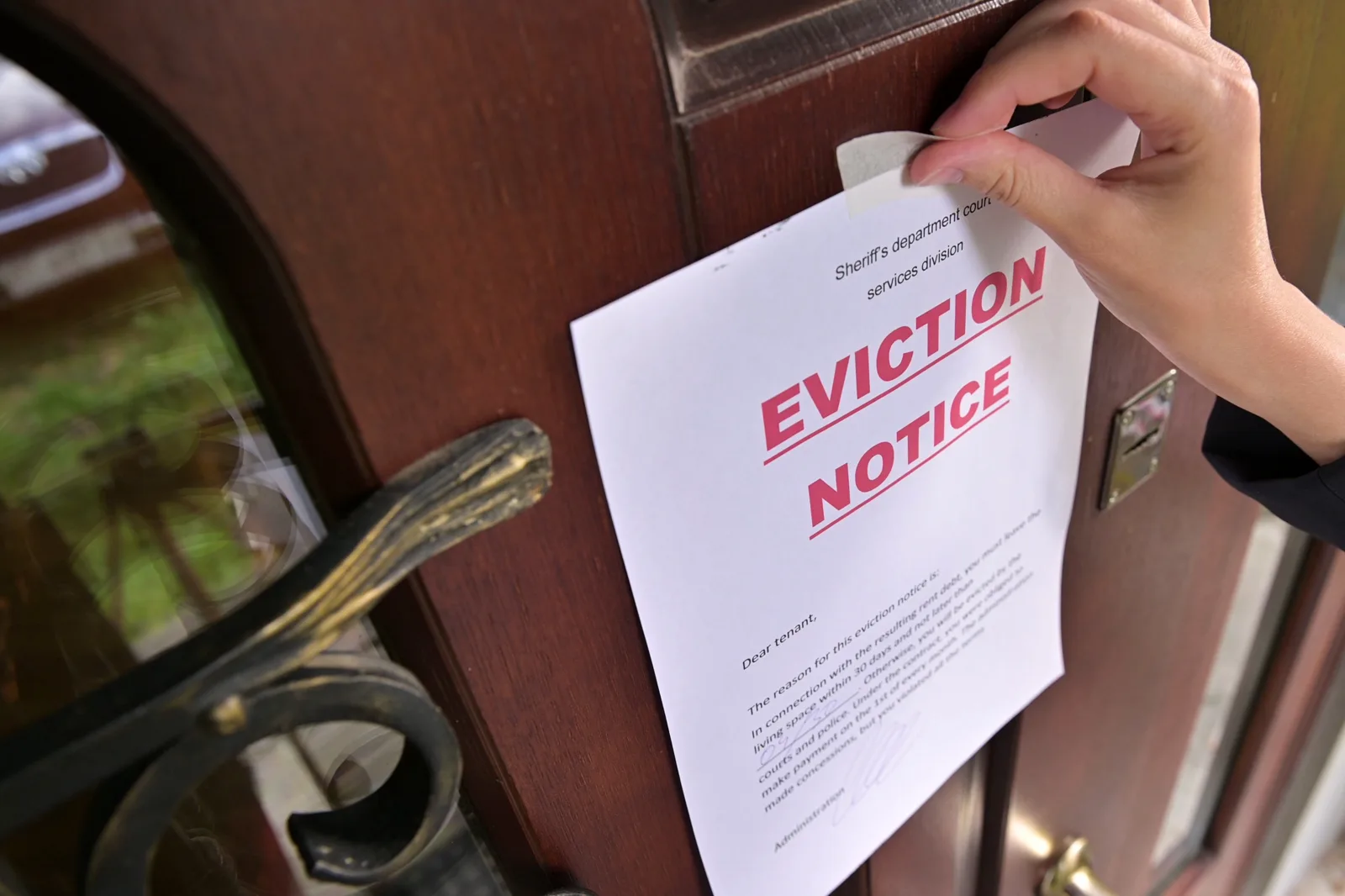
Can I stop an eviction after judgment is the question we hear most often at two in the morning, usually from someone standing in a doorway holding a paper the sheriff taped there a few hours earlier. The answer is that the options are narrower than they were a week ago, but they are not gone, and the difference between having options and having none is almost always how fast you move in the next day or two.
Here is what is actually available at this stage.
First, work out exactly where you are
Three different situations get described as “after judgment,” and they are not the same.
A judgment has been entered but nothing has been posted yet. The landlord has won, whether at trial or by default, but the writ of possession may not have issued or may not have reached the sheriff. This is the widest window you will get at this stage.
A writ of possession has issued. The court has ordered the sheriff to restore possession to the landlord. The sheriff now has the paperwork.
The sheriff has posted a notice to vacate at the property. This is the last stage. The notice typically gives about five days. After the lockout, there is very little left to undo.
If you do not know which of these applies, the notice on your door will say, and the court file will confirm it.
Option 1: A request for a stay of eviction
A stay is a request asking the court to postpone enforcement of the judgment. It does not usually erase the judgment. What it does is delay the lockout, which for many people is the thing that matters most, because it converts a sudden removal into a planned move.
Courts weigh the circumstances, and hardship is part of that: children in school, a household member who is ill or disabled, a job that ends in a fixed number of weeks, a signed lease elsewhere that starts on a specific date. A stay is often granted on conditions, which can include paying the reasonable value of continued occupancy for the extra time.
Because this is an emergency application heard on short notice, the preparation matters more than usual. The declaration has to be specific, supported, and filed in the correct court with the correct notice to the other side, and it has to be done in days.
Option 2: A motion to set aside a default judgment
This applies only where the judgment was taken by default, meaning no response was filed. If you never got the summons and complaint, or you got them at an old address, or someone else at the property was served and never gave them to you, that is a serious argument. California courts also recognize mistake, inadvertence, surprise, and excusable neglect as grounds.
Two things determine whether this works: whether the grounds are real and supported, and whether you moved promptly. Delay is what defeats most of these motions.
If you are reading this before a judgment has been entered, please stop and go file your response instead. Our guide on how to respond to an unlawful detainer explains how, and answering on time is enormously easier than undoing a default.
Option 3: Relief from forfeiture
In some circumstances, particularly where the case was about unpaid rent and the tenant can now pay, California law allows a court to grant relief that lets the tenancy continue rather than end. This is discretionary, the court weighs hardship, and it typically requires the tenant to make the landlord whole. It is not available in every case, but where money is now available that was not available before, it is worth asking about.
Option 4: Negotiate directly
Do not overlook this one. A landlord who has won still has to pay for a sheriff lockout, still has to turn the unit, and still may be owed money they will never collect from a judgment. A written agreement giving you a firm move-out date in exchange for leaving the unit in good condition, dropping money claims, or both, is frequently better for everyone than the enforcement process. Agreements at this stage should always be in writing and, where a case is on file, entered with the court.
What your landlord cannot do: unlawful and wrongful eviction in California
Even holding a judgment, a landlord in California cannot perform the lockout themselves. Only the sheriff, acting under a writ of possession, may do that. Changing locks, removing a door, shutting off water, power, or gas, or removing your belongings are unlawful self-help evictions. If any of that is happening, say so when you call, because it changes the immediate advice.
Move now: how to stop an eviction immediately
Everything on this page shares one property: it has to be filed and heard before the lockout. The sheriff does not pause because a motion is being drafted. If a notice to vacate is posted, the realistic working time is a couple of days, not five.
We prepare stay requests and post-judgment filings across seven California counties, including San Diego County, and our phones are answered 24 hours a day for exactly this reason. If you want to understand how the case reached this point, our eviction timeline guide walks through the full sequence.
Call (951) 702-7771 now. Tell us what the posted notice says and what date is on it. The consultation is free, and at this stage the fastest thing you can do is the most valuable thing you can do.
Frequently asked questions
Can I stop an eviction after judgment has already been entered?
Sometimes. The options narrow sharply after judgment but they do not disappear. Depending on the circumstances there may be grounds to ask the court for a stay postponing the lockout, to move to set aside a default judgment, or to seek relief from forfeiture that allows the tenancy to continue. All of them are time sensitive and none of them happen automatically.
What is a stay of eviction?
A stay is a request asking the court to postpone enforcement of the judgment, which in practice means delaying the lockout. Courts consider the circumstances, including hardship. A stay generally buys time rather than reversing the judgment, and it is often granted on conditions.
The sheriff posted a notice to vacate. How long do I have?
A sheriff's notice to vacate typically gives about five days before the lockout is carried out. That is the practical deadline for anything you want to file. Do not wait to see whether the sheriff arrives on the stated day.
Can a default judgment be set aside?
In some circumstances. Grounds can include improper service of the summons and complaint, mistake, inadvertence, surprise, or excusable neglect. A motion has to be brought promptly and supported by facts. It is genuinely harder than answering on time, which is why the first deadline matters so much.
Can my landlord lock me out without the sheriff?
No. In California only the sheriff may carry out a lockout, and only under a writ of possession. A landlord who changes locks, removes doors or windows, shuts off utilities, or removes your belongings is acting unlawfully, even after winning a judgment.
What if I just need more time to move?
That is a legitimate and common request. A stay is frequently used for exactly this, and negotiated move-out agreements often achieve the same result faster and with less risk. Either way, the request has to be made before the lockout, not after.
Quick answers
Can I stop or delay a Sheriff lockout after receiving a Notice to Vacate in California?
Yes. Even after a judgment is entered or a Sheriff's Notice to Vacate is posted, California tenants can file an emergency Stay of Execution or Motion to Set Aside Judgment to temporarily halt the lockout and grant additional time. Because court deadlines at this stage are measured in hours, immediate action is required. Stop Eviction Consultants assists with emergency document preparation to get your request before the court quickly. Call (951) 702-7771 24/7.
This website provides general information about the California eviction process and is not legal advice.